Roxane Cummings, Rural Health & Nutrition Agent
Salt has long been a kitchen staple, prized for enhancing flavor and preserving food. However, too much salt can have serious health consequences, including high blood pressure, heart disease, and stroke. Fortunately, there is good news! You don’t need to sacrifice taste to reduce your salt intake. With a bit of planning, seasoning food with the right herbs and spices can create dishes that are vibrant, satisfying, and anything but bland! These natural ingredients add vibrant flavor, aroma, and even health benefits, all without the adverse effects of excess sodium.
Why Cut Back on Salt?
The average American consumes more than 3,400 milligrams of sodium per day—well above the recommended limit of 2,300 milligrams (1 teaspoon of table salt) and the ideal limit of 1500 milligrams or 2/3 teaspoon. Over time, this excess sodium can cause the body to retain water, raise blood pressure, and strain the heart and kidneys. Reducing sodium intake is one of the most effective ways to protect cardiovascular health and lower the risk of chronic disease.
The Power of Herbs & Spices
While herbs and spices add complexity, depth, and unique character beyond salt’s one-note punch, they also help to bring out the natural taste of foods—whether it’s the brightness of basil, the warmth of cinnamon, or the zest of chili powder. By using them creatively, everyone can enjoy flavorful meals without relying on salt.
Moreover, many herbs and spices have health benefits. Some are rich in antioxidants that protect the body from cell damage. For instance, oregano, turmeric, cloves, and cinnamon contain some of the highest antioxidant levels found in foods. In addition, turmeric (with its active compound curcumin), along with garlic and ginger, is known for its anti-inflammatory properties that may help reduce disease risk. Ginger is also known to aid digestion by easing discomfort and relieving nausea. While not a magic fix, adding spices to meals can support healthy eating habits and make nutritious food more satisfying.

Fresh or Dried?
Both fresh and dried herbs can be used successfully to season foods, but there are guidelines to know which to use and when to add them. When substituting dried herbs for fresh, the ratio is 3:1; 1 Tablespoon of fresh herbs equals one teaspoon of dried herbs.
Fresh Herbs
• Best for: Salads, garnishes, finishing dishes, light sauces, fresh salsas.
• Flavor: Brighter, more delicate, and sometimes slightly sweeter.
• Examples: Basil, parsley, cilantro, chives, dill, and mint tend to shine when fresh.
• Use: Add near the end of cooking to preserve flavor and color.
Dried Herbs
• Best for: Soups, stews, marinades, roasts, and dishes with long cooking times.
• Flavor: More concentrated and earthy since the moisture is gone.
• Examples: Oregano, thyme, rosemary, bay leaf, and sage work exceptionally well dried.
• Use: Add early in the cooking process so they have time to rehydrate and release their flavor.
Winning Combinations
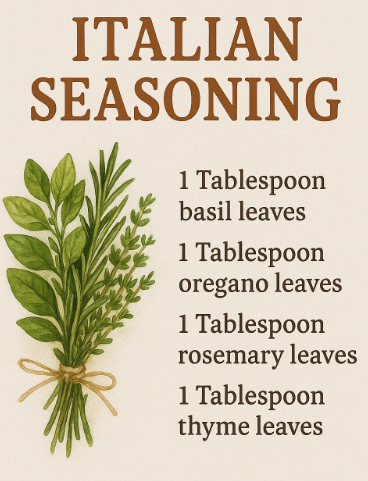
Many seasoning blends can be made at home by simply combining dried herbs. Store these combinations in an airtight container for up to 3 months.
Italian: Basil, oregano, thyme, rosemary
Mexican: Cumin, chili powder, garlic, lime, cilantro
Asian: Ginger, garlic, rice vinegar, sesame oil
Mediterranean: Garlic powder, onion powder, cumin, coriander, oregano, thyme, red pepper
Table Shake: Garlic powder, dry mustard, basil, celery seed, paprika, chili powder


Practical Ways to Reduce Salt Gradually
• Read labels for “low sodium” or “No salt added”: When these options are not available, rinse canned beans and vegetables before using.
• Use citrus and vinegar: Lemon juice, lime zest, and balsamic vinegar add brightness and balance flavors without the need for salt.
• Grow your own herbs: Fresh herbs are inexpensive and easy to grow in small pots—perfect for quick flavor boosts. Basil, mint, rosemary, thyme, and oregano grow well in South Carolina.
• Experiment gradually: Each time you cook, reduce the salt slightly and add more herbs and spices until your taste buds adjust.
A World of Flavor Awaits
Seasoning with herbs and spices transforms healthy eating from a restriction into an adventure. You’ll discover new tastes, protect your heart, and nourish your body—all while enjoying every bite. The next time you reach for the saltshaker, try reaching for basil, garlic, or cumin instead—your heart (and your taste buds) will thank you.
