Glen Payne, Urban Horticulture Agent, Beaufort County
Getting started with well-aerated, pathogen- and weed-free soil will help seeds germinate and grow into healthy plants. https://hgic.clemson.edu/factsheet/starting-seeds-indoors/ Avoid starting seedlings in garden soil as it may not be sterile or drain well, causing seeds to dampen off due to excess moisture and leading to disease. Recycled egg cartons, paper cups, milk cartons, and aluminum foil pans are great for seed germination. Be sure to punch small holes in the bottom to provide drainage. Fresh seed packets less than 1 year old, or seed tape that combines seed with a growing medium, are convenient when preparing to grow plants from seed.
Now that the seeds are ready to flourish, make sure they are set up for success by providing an environment that supports their growth. This includes not planting too deeply, placing them in a bright sunny exposure with direct sunlight, providing warmth, and keeping newly emerging plants from getting too leggy. Remember to thin out seedlings to prevent overcrowding and letting plant roots grow out, spreading strongly and deeply. Placing them in a southern exposure with good air circulation will help the seedlings become strong plants. Once the seeds are provided with what they need, it’s time to grow. https://hgic.clemson.edu/factsheet/container-vegetable-gardening/
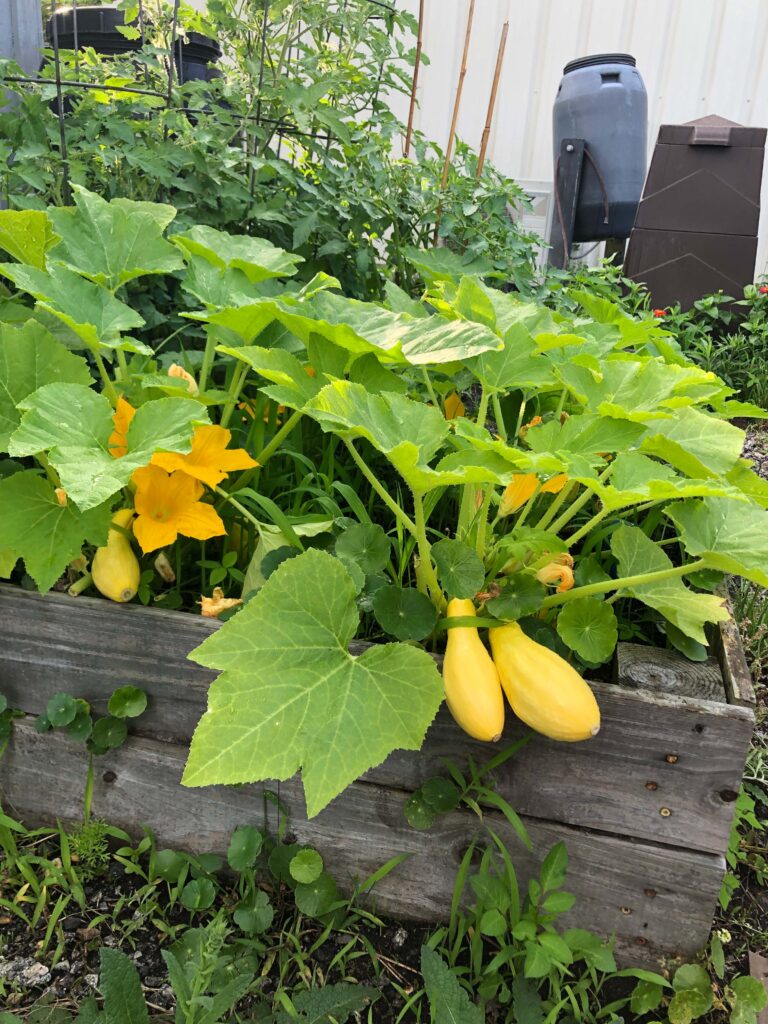
When the first new leaves start to appear, a knife, wooden plant label, or popsicle stick can be used to transplant them into larger containers or pots into a more nutrient-rich potting soil. Houseplant fertilizer can be used every 2 weeks once young plants have leaves and begin to grow. Keeping soil moist during watering, but not soaking wet, is key to root establishment and disease resistance. Remember to harden off new plants, letting them acclimatize to sunlight and preventing tender young leaves from burning in harsh UV light. Lower the temperature where growing, reduce watering, and cut back on fertilization. By doing these things, plants will transform from being soft and flimsy to firm as plant cell walls thicken. Start this process 2-4 weeks before moving new plants into the garden. As a reminder, when starting seeds, cucumbers, squash, & zinnias can be difficult to transplant and perform best when sown directly outdoors into planting beds. Now, get ready, set, and grow a great garden in the new year!
