Molly Jones, Clemson Cooperative Extension Area Water Resources Agent
Winter is quickly approaching and winter preparations are taking place on livestock operations. Livestock owners are stockpiling winter forages, calculating grain needs, and preparing for spring calving, kidding, and lambing seasons. One of the most vital resources is often overlooked: water. Access to clean, liquid water is essential for livestock health and productivity during the cold, wet months of a South Carolina winter.
South Carolina winters rarely bring deep northern snowpacks, but when our region faces sudden hard freezes, heavy seasonal rains, and damp cold snaps, livestock producers need a plan to ensure reliable water access for their animals. Whether you are managing a cattle herd, raising dairy goats, or tending to other livestock, maintaining a reliable water source through the cold months is the cornerstone of keeping your animals healthy and meeting production goals.
Relying on surface moisture or forcing animals to drink ice-cold water creates a hidden metabolic drain.
- The Consumption Drop: Livestock are often less naturally inclined to consume adequate water during colder weather. If water is ice-cold or unpalatable, consumption rates can drop significantly compared to warmer months.
- The Digestion-Heat Connection: Livestock relies heavily on internal rumination and fermentation to generate natural body heat. For every degree drop in temperature below the thermal neutral zone, their energy requirements increase.
- The Danger of Low Intake: If animals don’t drink enough, dry matter intake drops sharply. This leads directly to reduced feed efficiency, sudden weight loss, and metabolic issues (such as urinary calculi in small ruminants). To encourage proper drinking, keeping free-choice salt available or properly balanced in the diet is key to naturally stimulating thirst.
Best Practices for Water Quality & Trough Management
Clean drinking water supports better feed consumption and efficient nutrient absorption.
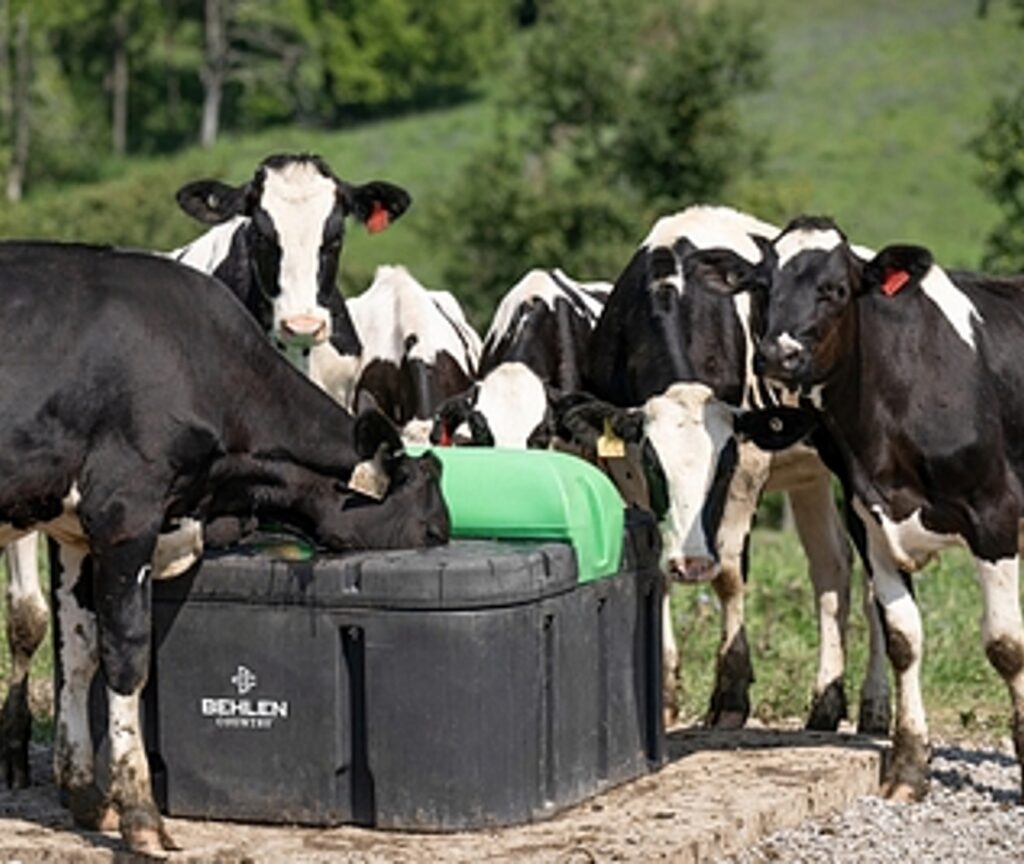
- Strategic Trough Placement: When planning winter paddocks, place water troughs away from feeding areas whenever possible. Separating water sources from hay rings and feed bunks can reduce mud, feed contamination, and nutrient accumulation around water points.
- Elevated Pads & Mud Prevention: Set troughs on elevated concrete pads or lay down coarse gravel. This prevents heavy hooves from churning up saturated soils, destroying turf, and degrading overall environmental and water quality.
- Limiting Wildlife Contamination: Winter often drives wildlife—such as deer, raccoons, and birds—toward farm water sources. Wildlife can deposit feces and urine or accidentally become trapped in open troughs, introducing dangerous pathogens. Utilizing closed systems or emptying unused tanks helps mitigate this risk.
- Regular Cleaning Protocols: Troughs should never be caked with thick algae mats or emit strong odors.
Use the following checklist to evaluate water quality:
- Is the water colored or murky?
- Are there algae mats present covering the surface or container walls?
- Is there a noticeable odor of sewage, rotten eggs, mold, or animal waste?
Dirty water requires thorough cleaning.
- It is recommended that producers clean out physical debris often (daily/weekly).
- Chemically disinfect and scrub the system at least twice a year.
- Cleaning during the late spring and summer months will help keep bacteria levels down.
Unlike northern states where winter moisture stays locked safely in snow, South Carolina winters are often characterized by heavy rains and saturated, muddy soils. When overnight temperatures plunge and your troughs freeze over, use these practical, low-cost winterization strategies
- Insulate the Sides: Stack straw bales, waste hay, or wool sacks on the windward side of troughs, or wrap exterior walls with used black tires to trap ground heat.
- The Double-Trough Method: Place a smaller portable trough inside a larger one and insulate the intervening space with straw or wool.
- Surface Defenses: Cover half or more of the trough with plywood topped with foam insulation or straw to slow down ice formation during hard freezes.
- Keep Water Moving: Floating a partially submerged rubber ball or water-filled plastic jug in the tank keeps the surface water gently moving in the breeze, significantly slowing down the freezing process.
Strategic Pasture Management and Labor Logistics
Planning ahead is your best defense against South Carolina’s erratic winter weather patterns.
- Rotate Smartly: Move animals into winter pastures featuring water sources that naturally resist freezing but take care not to overgraze or ruin rotational paddocks simply because they offer easier water access.
- Evaluate Labor and Transportation Costs: Factor in the real-world cost of your time and labor when balancing the logistics of hauling water to remote temporary sites versus moving livestock to permanent, reliable infrastructure.
- Consult Local Resources: For water quality questions during the winter season, contact your local Clemson Cooperative Extension Water Resources Agent or Livestock and Forages Agent.
South Carolina’s unpredictable winter weather requires proactive livestock management. Clean, accessible, and unfrozen drinking water is one of the most important factors influencing animal health, feed intake, and overall performance during the winter months. By routinely monitoring water quality, maintaining watering infrastructure, and planning for freezing temperatures, producers can protect both livestock well-being and farm productivity throughout the season. Winter is also a good time to evaluate water quality through laboratory testing, especially when livestock relies on wells, ponds, springs, or surface water sources that may be affected by seasonal runoff or contamination. For more information on water testing contact your local Clemson Cooperative Extension office. https://www.clemson.edu/extension/co/
Clemson University Cooperative Extension Service offers its programs to people of all ages, regardless of race, color, religion, national origin, disability, political beliefs, sex, marital or family status and is an equal opportunity employer.
